Preservation Rhinoplasty
Lowering the nasal dorsum by preserving your own anatomy rather than removing and rebuilding it.
Learn moreRhinoplasty
All incisions placed inside the nose, leaving no external scar and allowing swelling to settle more quickly.
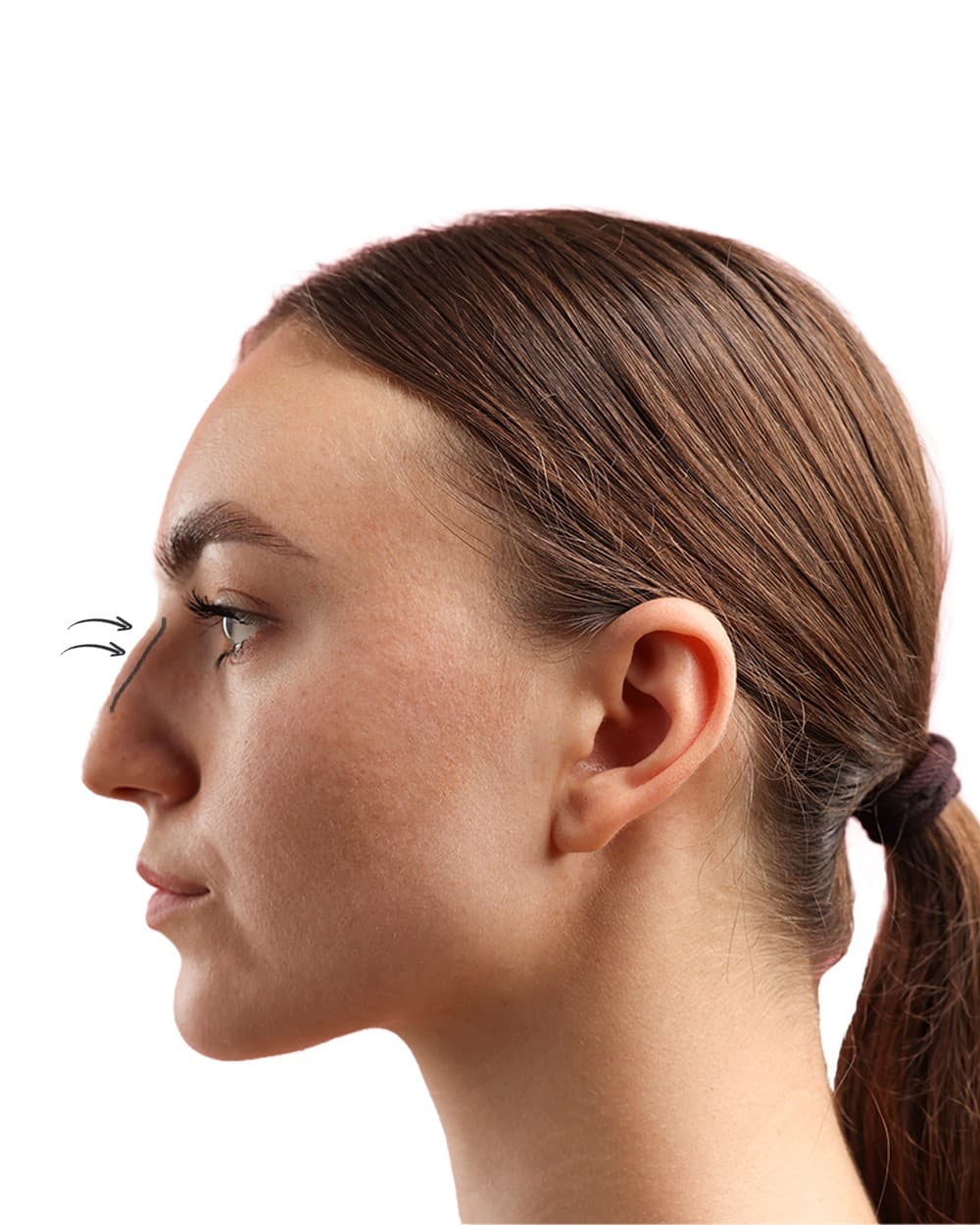
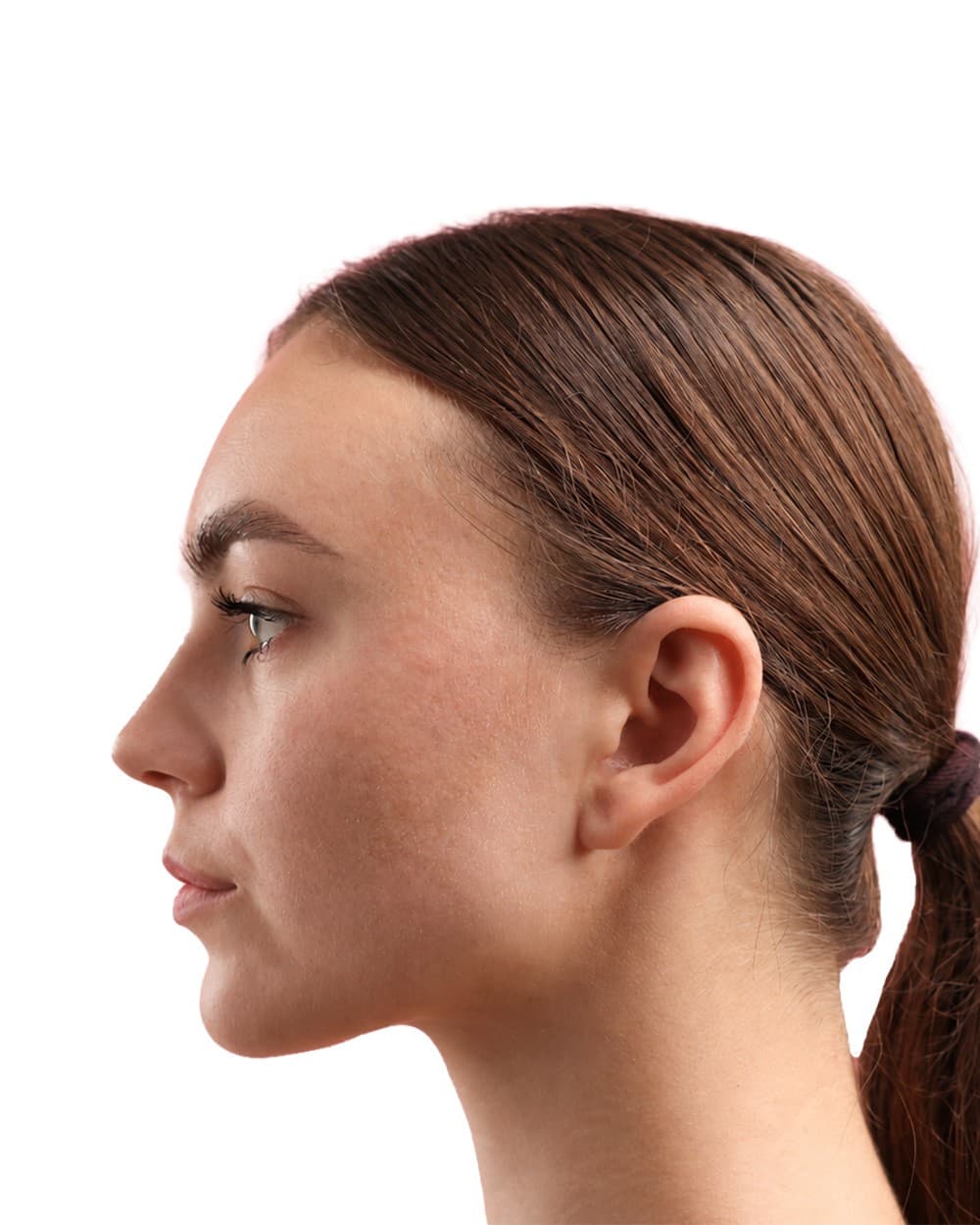
Closed rhinoplasty is the approach to nose reshaping in which every incision is made inside the nostrils. Because no incision is made across the narrow strip of skin under the tip (the columella), there is no externally visible scar. The bridge, a hump, the tip and, where needed, a deviated septum are corrected through these incisions.
The operation is performed under general anaesthesia and takes about 2–3 hours. Through incisions inside the nose the skin is lifted; a hump is removed or lowered, the tip cartilages are shaped, the nasal bones are narrowed if needed and the septum is corrected. In suitable patients it can be combined with the technique that preserves the bridge. One night is spent in hospital after surgery.
Often chosen for patients who want a change such as a dorsal hump, a drooping or wide tip, and who have not had nose surgery before. Which approach suits you is decided at examination.
A nasal splint is worn for the first week, and there may be swelling and bruising under the eyes. The splint comes off around day 7, when desk work can resume. Social life is usually possible from about the second week. The fine swelling of the tip can take 6–12 months to resolve fully.
Which approach suits you is decided at examination.
| Closed rhinoplasty | Open rhinoplasty | |
|---|---|---|
| Incisions | Only inside the nostrils | Inside the nose plus a small incision on the columella |
| External scar | None | A fine scar on the columella that usually fades over time |
| View of the structures | More limited; relies on the surgeon's experience | The cartilages are seen directly |
| Commonly used for | First operations, humps and moderate tip changes | Complex tip problems, some revisions |
| When | What to generally expect |
|---|---|
| Day 1 | One night in hospital |
| Week 1 | Nasal splint and, if needed, internal silicone splints; swelling and bruising under the eyes |
| Around day 7 | Splint removed and check-up; return to desk work |
| About week 2 | Return to social life |
| Weeks 4–6 | Return to strenuous exercise with the surgeon's approval; glasses as the surgeon advises |
| Months 6–12 | Swelling of the tip largely resolves and the final shape settles |
We recommend staying in Istanbul for 7–9 nights. The flight home is usually planned for day 7–10, after the splint has been removed and you have been checked.
Like any surgery, closed rhinoplasty carries risks, and all of them are shared with you in writing before the operation:
Back to desk work: approx. 7 days. Social recovery: approx. 14 days. Depending on the scope of surgery you should plan for between 6 and 12 nights. The exact figure is confirmed in writing with your treatment plan.
The information on this page is general and does not replace medical advice. Timings and recovery vary between individuals; a definitive plan can only be made after examination.
In the closed approach the incisions are inside the nose and leave no external scar. The open approach gives a wider view of the tip and may be preferred for complex tip problems. The choice is made at examination according to the structure of the nose and the change planned.
The incisions are inside the nostrils, so they cannot be seen from outside. If the nostrils are also narrowed, there is a small scar at the base of the nostril, which usually fades over time.
The tip is secured with cartilage support during the operation. In the first months swelling can make the tip look slightly upturned, and it settles over time.
Bruising under the eyes has usually largely cleared within 7–10 days. Visible swelling eases over the first weeks, while the fine swelling of the tip can take 6–12 months.
If there is a deviated septum or another problem inside the nose, it is corrected in the same operation. The aim is to preserve or improve breathing.
The nose usually finishes growing at about 16 in girls and 17–18 in boys; cosmetic rhinoplasty is planned after that age. Assessment may differ where there are serious breathing problems.
Flying is usually planned after the splint is removed, on day 7–10. Strenuous exercise resumes after weeks 4–6 with the surgeon's approval. Glasses may be restricted in the first weeks so they do not press on the bridge.
The fee is given according to the personal plan set after examination. The quote covers the operation, anaesthesia, hospital, medication, transfers and follow-up visits.
Lowering the nasal dorsum by preserving your own anatomy rather than removing and rebuilding it.
Learn moreCombining the scarless closed approach with the preserved natural dorsal line of preservation rhinoplasty.
Learn moreFirst-time nasal surgery in patients who have not previously had a rhinoplasty.
Learn moreCorrecting aesthetic or functional problems remaining after previous nasal surgery, usually with cartilage graft support.
Learn moreShare your photographs and let us plan the right technique and timeline together.
Request a consultation