01
Deep Plane Facelift
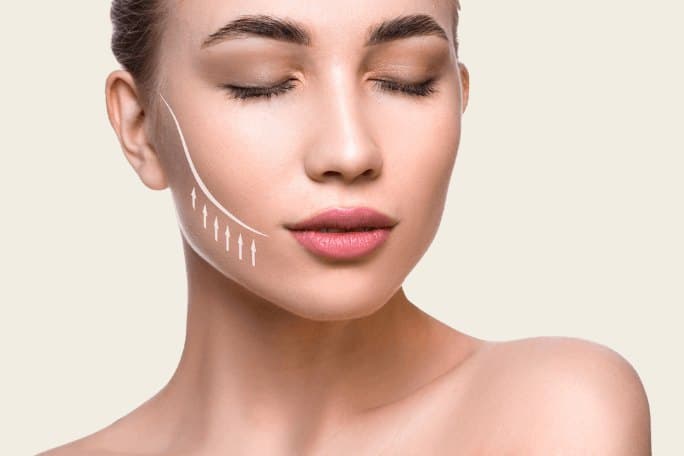
Repositioning the SMAS and deeper tissues as a single unit rather than tightening skin — the technique behind natural, durable facelift results.
Plastic, Reconstructive and Aesthetic Surgery · Istanbul
Facial Rejuvenation Surgery · Deep Plane Face & Neck Lift · Deep Neck Sculpting · Preservation Rhinoplasty
A surgical approach built on the anatomical layers of the face, its deep tissues and each patient's own proportions.
Surgical approach
Every face is assessed on its own proportions, tissue quality and pattern of ageing. The surgical plan starts from the anatomical layers, not from the surface.
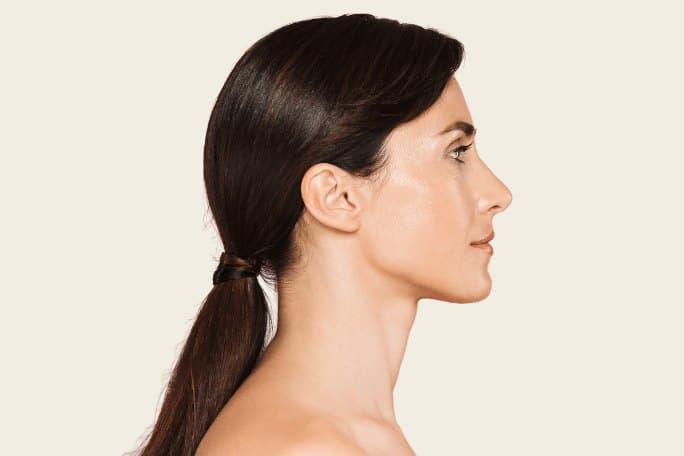
Facial proportions. The horizontal thirds and vertical fifths are assessed on the patient's own grid.
Nasofrontal and nasolabial relationships. The angles that define how the nose sits within the face as a whole.
The cervicomental angle. The degree between jaw and neck, and the measure deep neck sculpting works to.
Deep tissue and ligament structure. The musculo-fascial layer beneath the skin and its retaining ligaments, assessed in the deep plane.
The technique is chosen to suit the patient's anatomy; the anatomy is not made to suit the technique.
About
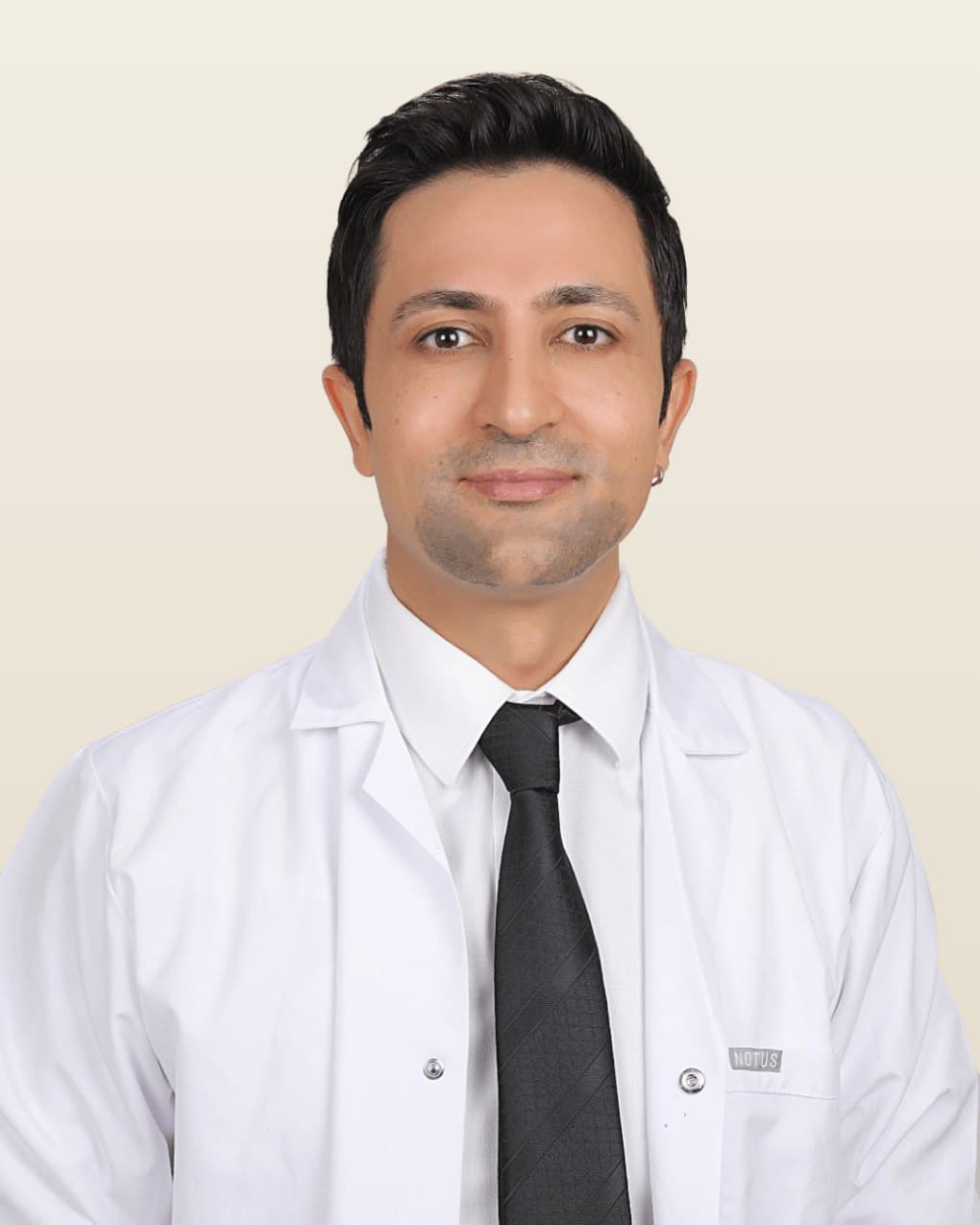
Specialist in Plastic, Reconstructive and Aesthetic Surgery. He read medicine at Sakarya University Faculty of Medicine and completed his specialist training in 2024 in the Department of Plastic, Reconstructive and Aesthetic Surgery at Selçuk University Faculty of Medicine.
His clinical interests centre on Deep Plane Face & Neck Lift, Deep Neck Sculpting, Preservation Rhinoplasty and microtia surgery. His surgical approach rests on an assessment made for each patient individually, from their anatomical structure and the character of their face.
Scientific Oral Presentation
Modification of Deep Plane Facelift with Orbital Retaining Ligament Release for Enhanced Midface and Lower Eyelid Rejuvenation
Mehmet Akbalık, MD
Signature Surgeries
The four operations at the centre of the practice.
Repositioning the SMAS and deeper tissues as a single unit rather than tightening skin — the technique behind natural, durable facelift results.

Addressing sub-platysmal fat, the submandibular gland and muscle structure to sculpt genuine depth into the neck.
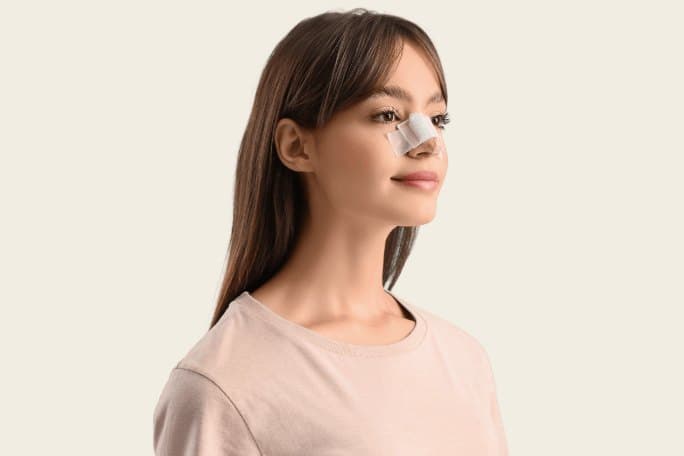
Lowering the nasal dorsum by preserving your own anatomy rather than removing and rebuilding it.
Staged reconstruction of a congenitally underdeveloped ear, most often using the patient's own rib cartilage.
Surgical areas
Choose the anatomical area you are interested in to see the surgical options.
Hover over an area, or tap it.
Before & After
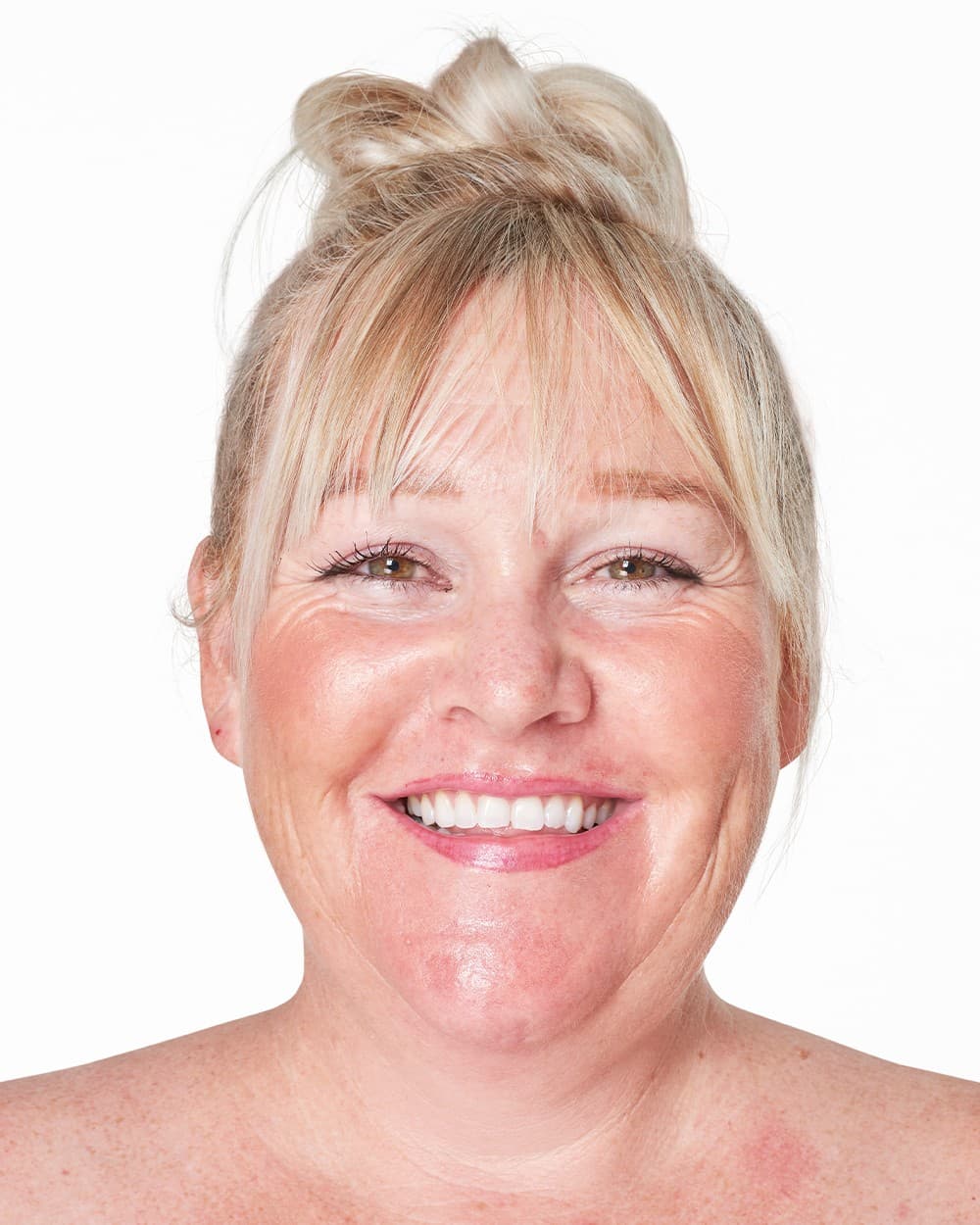
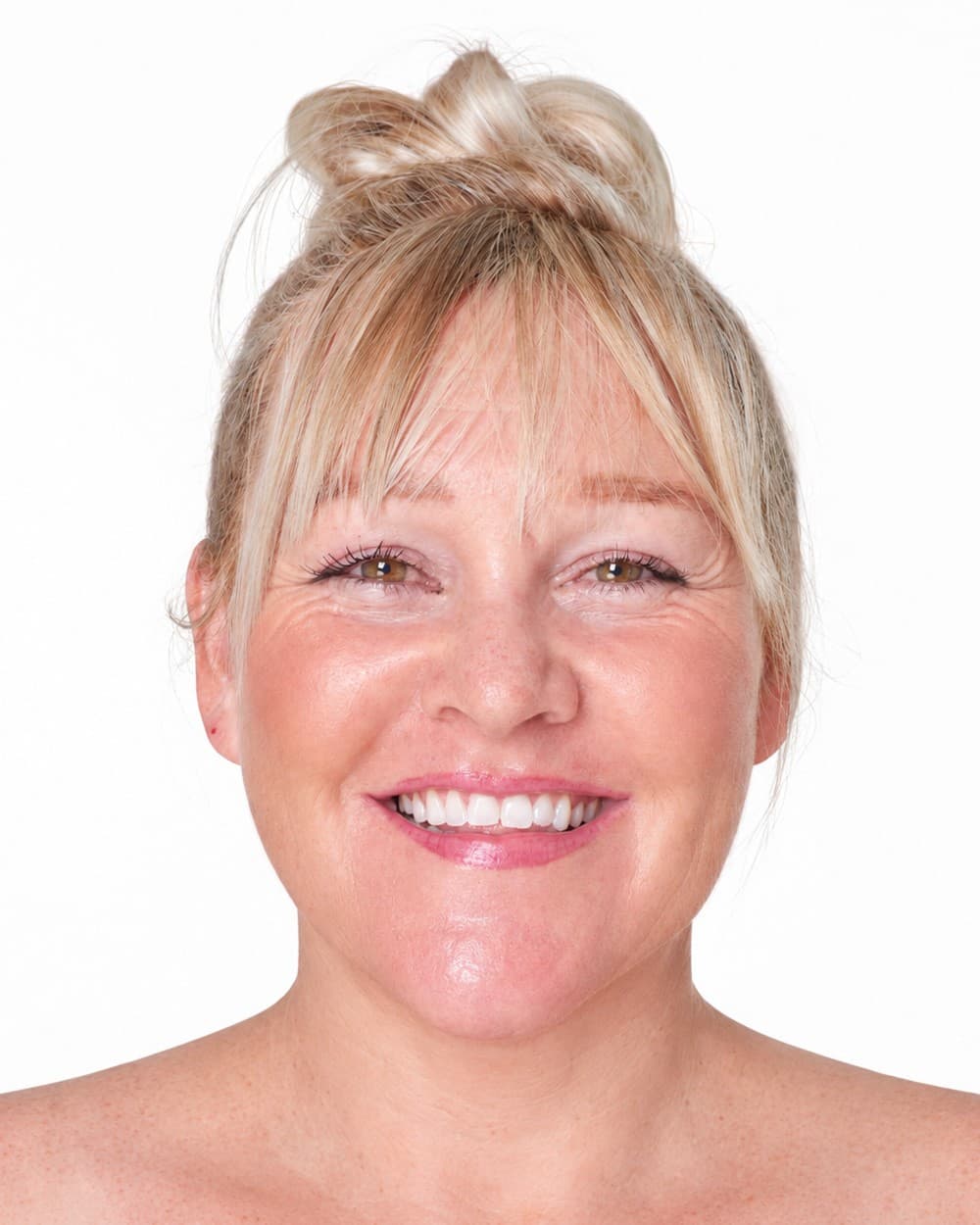
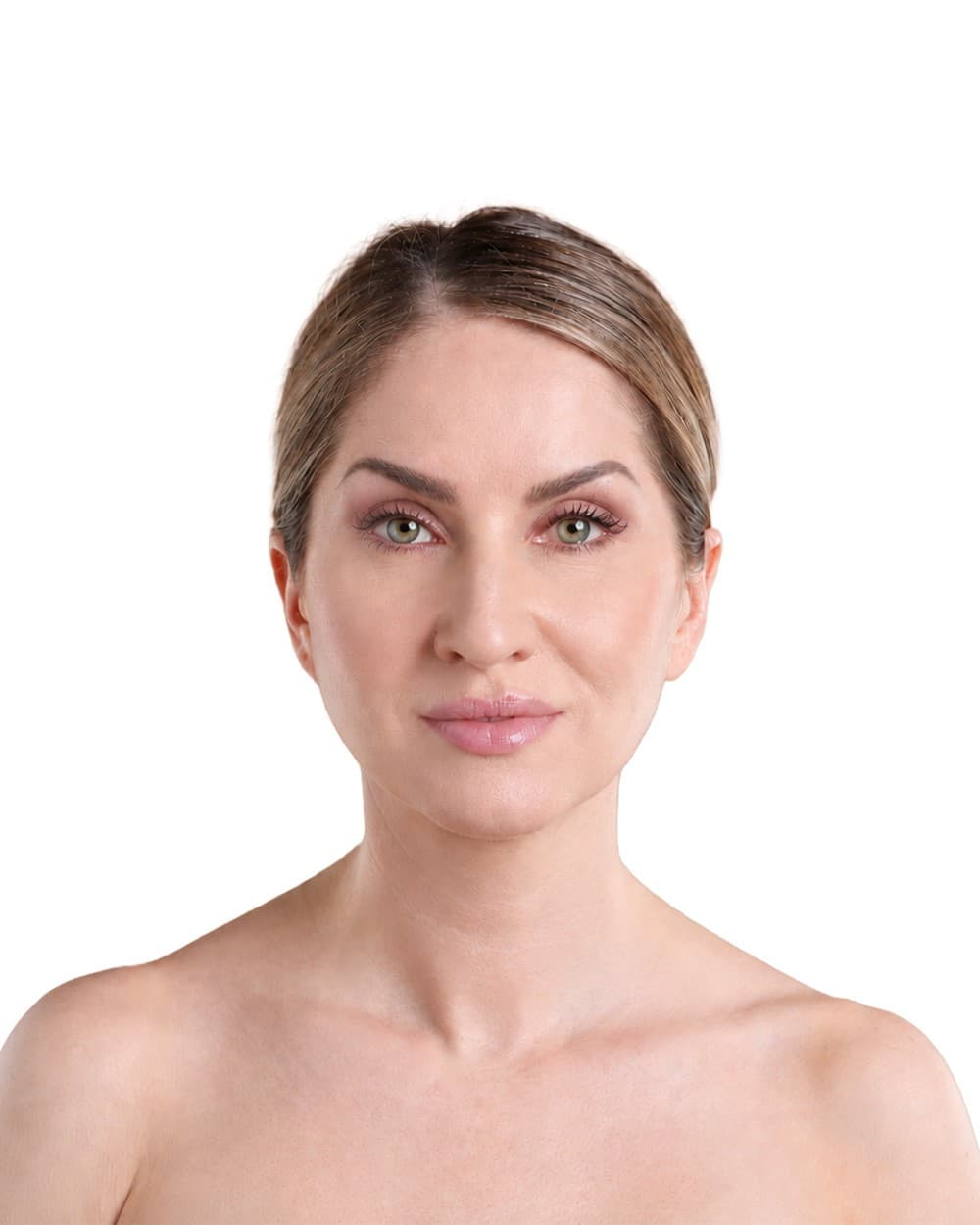
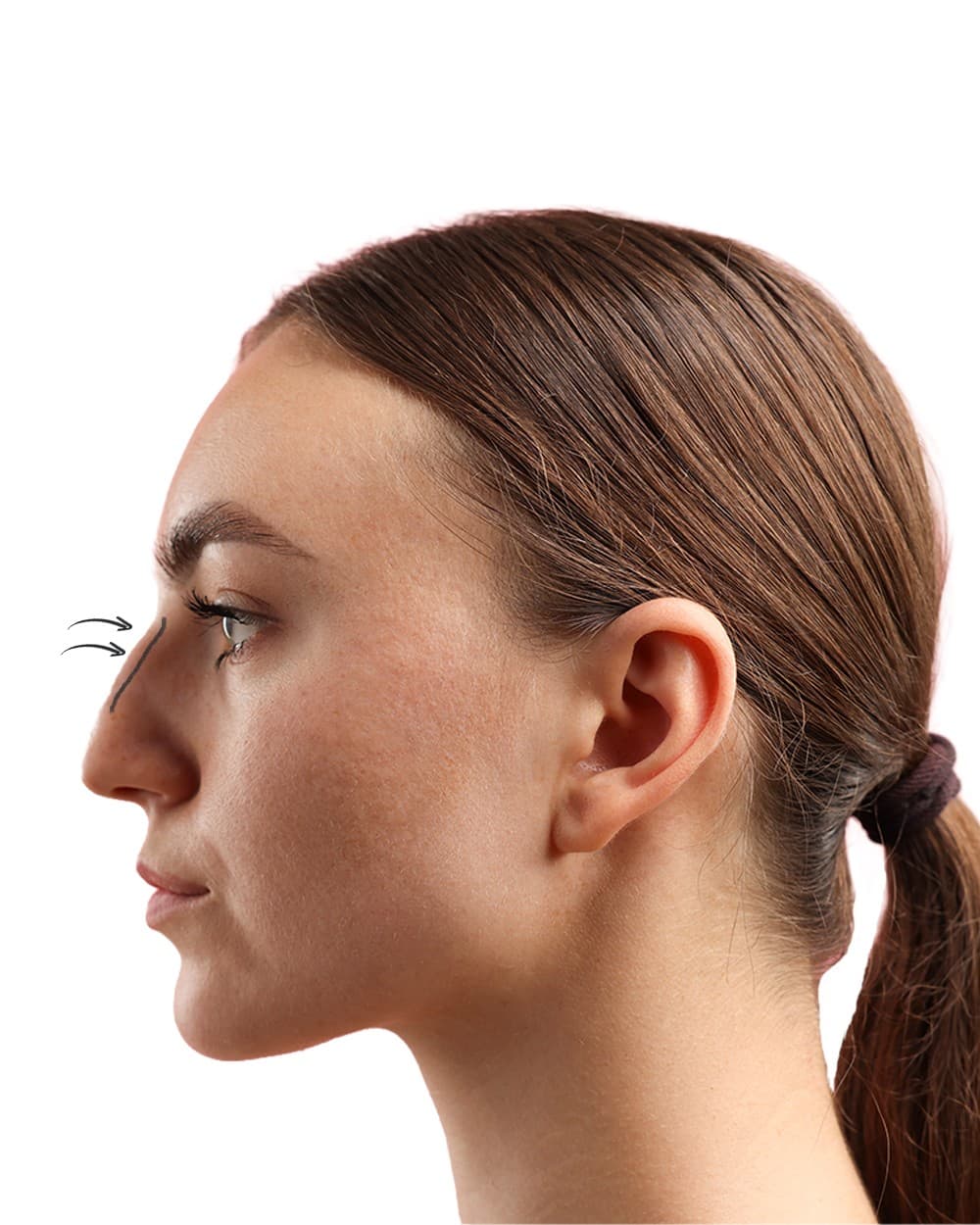
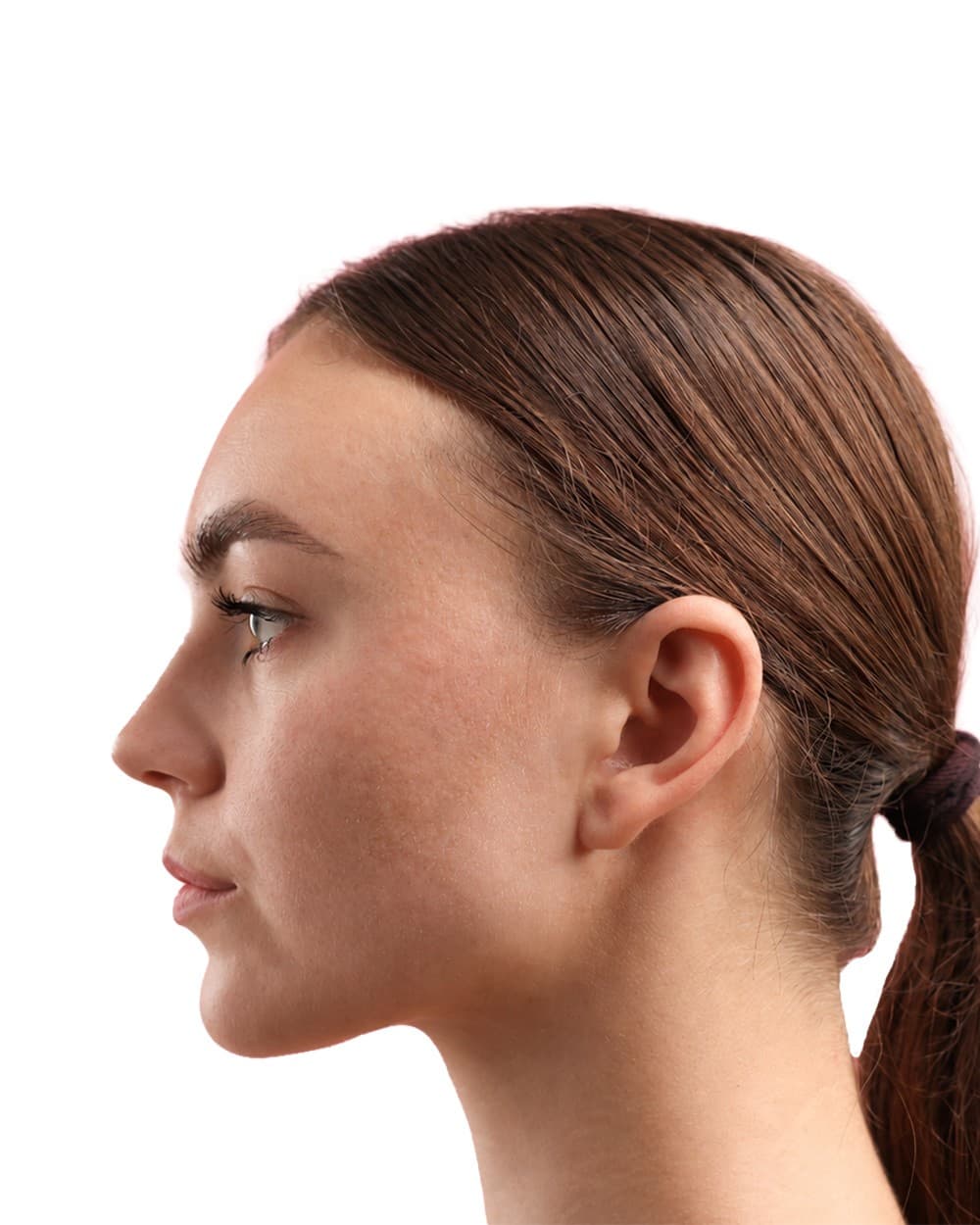
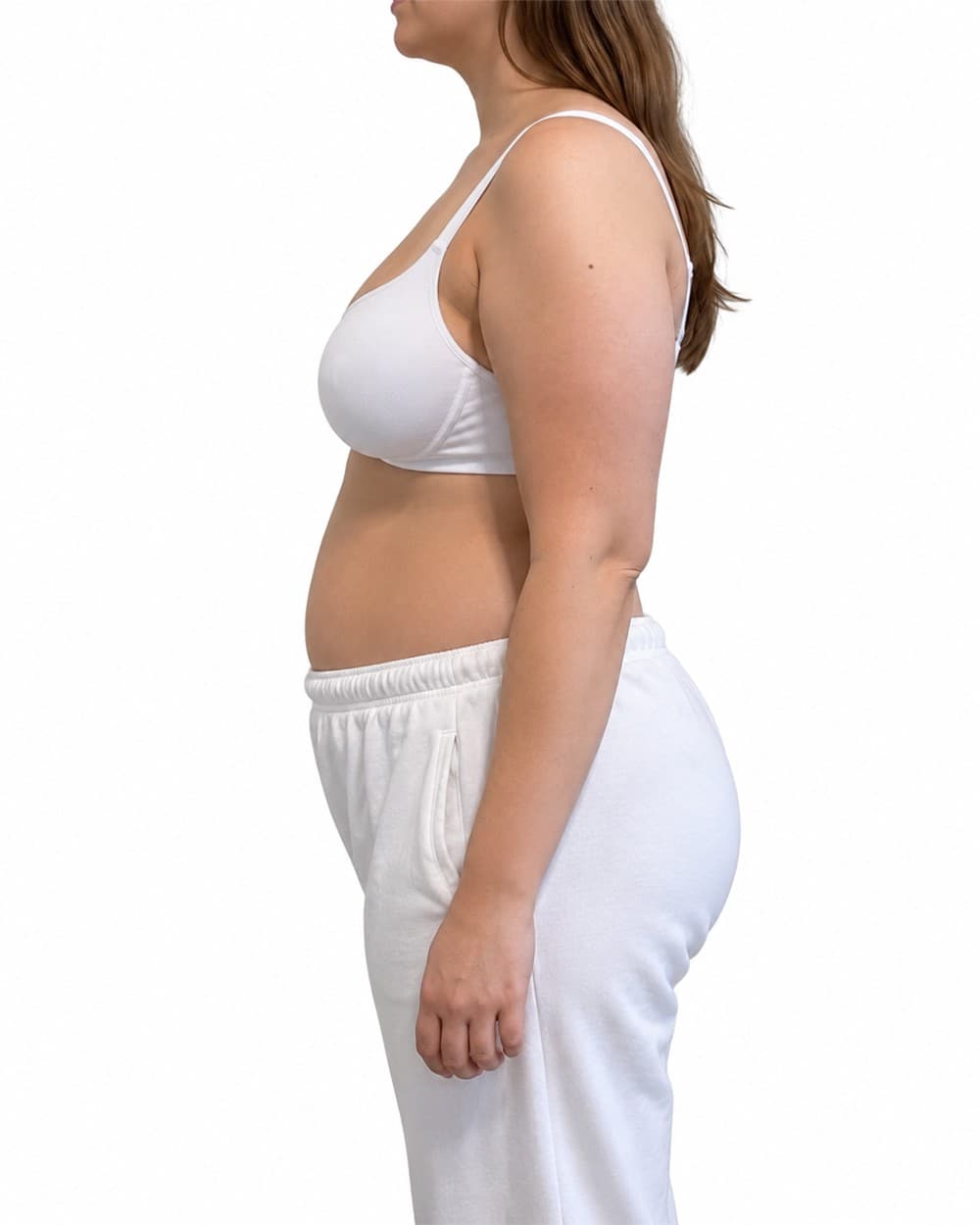
Drag the handle in the middle left and right to compare. Results differ from person to person, and no image means the same result will be achieved.




It depends on the scope of surgery. For eyelid surgery or otoplasty we suggest 5–7 nights; for rhinoplasty 7–9 nights; for a facelift, abdominoplasty or combined procedures 10–14 nights. The exact figure is confirmed with your treatment plan.
Clear photographs from the front, profile and three-quarter view (or of the relevant area for body surgery), plus your age, height and weight, current medication and details of any previous surgery.
Flying is usually permitted 7–10 days after rhinoplasty and facial surgery, and 10–14 days after body surgery. No return flight is planned before a final review appointment.
Every operation is performed personally by Op. Dr. Mehmet Akbalık. Your consultation, surgery and review appointments are all conducted by the same surgeon.
Our quote is a single figure covering the surgical fee, anaesthesia, hospital costs, post-operative medication, garments or dressings, transfers and all review appointments. Flights and hotel accommodation are not included.
Share your photographs and what you hope for, and the individual surgical assessment can begin.